Who is Gen Z | 2024 | MorningAI
Unlock the secrets to marketing to Generation Z in our latest deep dive. Born between 1996 and 2010, these digital natives are reshaping consumer landscapes with their unique blend of pragmatic idealism and tech-savvy shopping habits. Our comprehensive guide explores Gen Z's online behaviors, from their preferred social media platforms to their surprising affinity for luxury resale.


Introduction
The first generation to swipe before they could speak is now entering adulthood. Generation Z, born between 1996 and 2010, is coming of age in a world where digital technology is as natural as breathing. But their story is far more complex than just being tech-savvy digital natives.
As the most racially diverse generation in history, Gen Z is rewriting the rules of society, work, and consumption. They're pragmatic dreamers, raised in the shadow of economic uncertainty, yet armed with unprecedented access to information and global connections. From climate activism to redefining mental health discussions, Gen Z is making waves in ways both subtle and profound.
ut who exactly are these young people? What drives them, troubles them, and inspires them? In this exploration of Generation Z, we'll delve into the unique characteristics, experiences, and outlooks that define this influential cohort. Understanding Gen Z isn't just about predicting trends — it's about grasping the future of our workforce, our markets, and our society as a whole.To uncover these insights, many brands now rely on advanced tools for audience research that help decode generational behaviors and motivations.
Definition of Generation Z
Generation Z, often abbreviated as Gen Z, refers to the demographic cohort following the Millennials. This generation is defined not just by their birth years, but by the unique circumstances and events that have shaped their worldview. Gen Z is characterized as the first true generation of digital natives, born into a world where the internet, social media, and smartphones were already ubiquitous. They're known for their tech-savviness, their commitment to social causes, and their ability to navigate an increasingly complex and interconnected global landscape.
Unlike previous generations, Gen Z has grown up in an era of constant connectivity, instant information, and rapid technological change. This has profoundly influenced their attitudes towards work, education, social issues, and personal identity. They're often described as pragmatic, diverse, and entrepreneurial, with a strong sense of individual expression and a desire for authenticity in both personal and brand interactions.
Birth years (1996-2010)
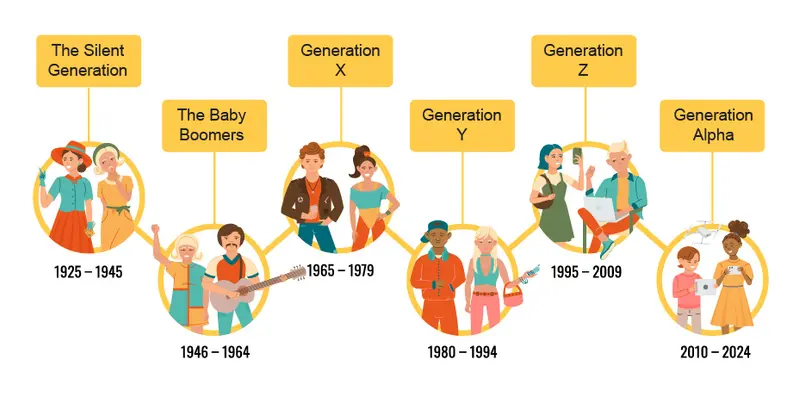
While there's some debate among researchers and demographers about the exact birth years that define Generation Z, most agree that it includes those born between 1996 and 2010. This means that as of 2024, the oldest Gen Zers are in their late twenties, while the youngest are still in their early teens. This wide age range encompasses individuals at various life stages, from those just entering the workforce to those still in middle school.
The choice of 1996 as the starting year is significant. Those born in this year were just old enough to remember the September 11 attacks, which marked a pivotal moment in global history. The end year of 2010 is often chosen because it marks the advent of the iPad and the rise of tablets, signifying another shift in how we interact with technology. It's worth noting that generational boundaries are not exact sciences, and there can be some overlap, especially for those born on the cusp between Millennials and Gen Z.
Significance of studying generations
Studying generations is more than just an academic exercise — it's a crucial tool for understanding societal change and predicting future marketing trends.
For businesses, understanding generational differences can be the key to effectively engaging with employees and customers. It can inform everything from recruitment strategies to product design and marketing campaigns. In the realm of public policy, generational studies can help predict future needs in areas like healthcare, education, and social services. Moreover, studying generations can foster intergenerational understanding and cooperation, bridging gaps that might otherwise lead to conflict or misunderstanding. As Gen Z comes of age, their impact on society, the economy, and culture will be profound, making the study of this generation particularly significant for shaping our collective future.
Key Characteristics of Gen Z
Digital natives
Growing up with smartphones and internet
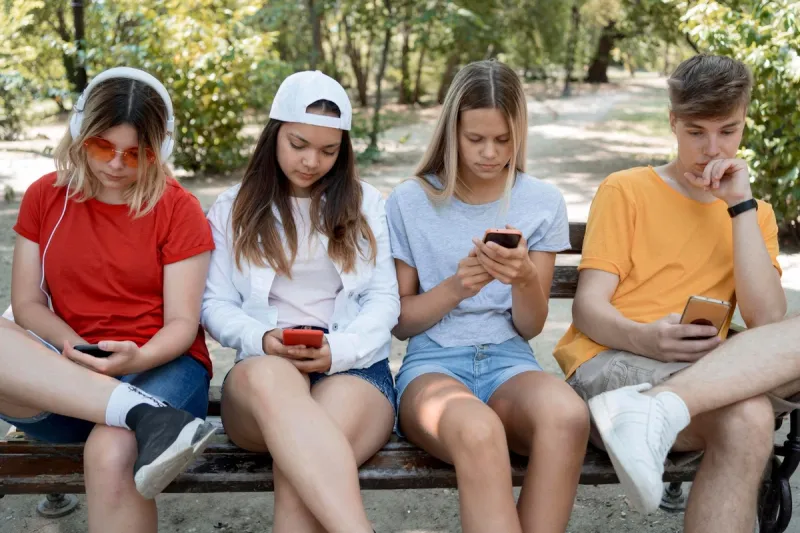
Generation Z is the first cohort to have never known a world without the internet. Unlike their Millennial predecessors who witnessed the digital revolution, Gen Z was born into it. Smartphones, high-speed internet, and Wi-Fi have been constants in their lives from the very beginning. This immersion in technology has profoundly shaped their worldview, communication styles, and learning processes.
For Gen Z, the digital and physical worlds are not separate entities but seamlessly integrated aspects of daily life. They effortlessly navigate between online and offline experiences, often preferring digital solutions for everything from socializing to shopping. This innate comfort with technology translates into an expectation for instant access to information, seamless user experiences, and the ability to connect globally at the touch of a screen.
However, this digital nativity also comes with challenges. Gen Z faces issues like digital fatigue, information overload, and the need to cultivate real-world social skills alongside their digital prowess. Their relationship with technology is complex, recognizing both its benefits and potential pitfalls.
Social media usage and impact
Social media is not just a pastime for Gen Z—it's an integral part of their social fabric and identity formation. Platforms like Instagram, TikTok, and Snapchat serve as spaces for self-expression, community building, and even entrepreneurship. Gen Z uses these platforms not just to connect with friends, but to engage with brands, follow social movements, and stay informed about global events.

The impact of social media on Gen Z is multifaceted. On one hand, it has given them unprecedented opportunities for creativity, activism, and global connectivity. Many Gen Zers have leveraged social media to launch businesses, raise awareness for causes, or build personal brands. On the other hand, the constant connectivity and pressure to curate an online persona have contributed to issues like anxiety, depression, and poor self-image among some members of this generation.
Interestingly, Gen Z is also more aware of the downsides of social media compared to older generations. They're more likely to take periodic digital detoxes, be selective about their online presence, and seek out more private or ephemeral forms of social interaction online. This generation is also at the forefront of discussions about data privacy, online ethics, and the societal impacts of social media.
The relationship between Gen Z and social media continues to evolve, with this generation actively shaping how these platforms are used and perceived. As they move into adulthood, their unique approach to digital interaction is likely to have lasting impacts on how we all engage with technology and each other in the future.
Pragmatic idealism
Balancing dreams with economic realities
Generation Z embodies a unique blend of idealism and pragmatism, a characteristic that sets them apart from previous generations. Having grown up during the Great Recession and witnessing its impact on their families, Gen Z has developed a cautious approach to financial matters. They dream big but temper those dreams with a strong dose of realism.
They're entrepreneurial and innovative, often building side hustles and exploring multiple income streams. This balance of creativity and realism has led brands to develop more authentic, AI-driven creative campaigns that speak to Gen Z’s values of individuality and responsibility.
Interest in social and environmental causes

Gen Z's idealism shines through in their passionate engagement with social and environmental issues. This generation has come of age during a time of heightened awareness about climate change, social justice, and global interconnectedness. As a result, they've developed a strong sense of responsibility towards creating positive change in the world.
Climate activism is particularly important to Gen Z. Inspired by figures like Greta Thunberg, many young people in this generation are at the forefront of climate strikes, sustainability initiatives, and advocacy for green policies. They're more likely to make environmentally conscious consumer choices and support brands that align with their values.
Social justice is another key area of focus for Gen Z. Growing up in an increasingly diverse society and with access to global perspectives through social media, they're acutely aware of issues surrounding racial equality, LGBTQ+ rights, and economic disparity. Many Gen Zers are actively involved in social movements, using their digital savvy to organize, raise awareness, and effect change.
This generation's commitment to causes extends to their career choices and consumption habits. They're more likely to seek out employers with strong corporate social responsibility practices and to boycott brands that don't align with their values. However, they're also savvy enough to spot inauthentic attempts at "woke" marketing, demanding genuine commitment to causes rather than surface-level gestures.
Gen Z's pragmatic idealism represents a powerful force for change. As they continue to enter the workforce and gain economic influence, their balanced approach to pursuing dreams while addressing real-world challenges is likely to shape societal priorities and business practices for years to come.
Consumer Behavior and Preferences
Online shopping habits
Gen Z has grown up in a world where online shopping is the norm, not the exception. Their purchasing habits are characterized by a seamless blend of digital and physical experiences. They're comfortable researching products online, comparing prices across multiple platforms, and making purchases directly through social media apps.
This generation values convenience and speed in their shopping experiences. They expect fast shipping, easy returns, and intuitive user interfaces. Mobile shopping is particularly important to Gen Z, with many preferring to browse and buy through smartphone apps rather than desktop sites.
However, Gen Z isn't abandoning brick-and-mortar stores entirely. Instead, they're looking for immersive, Instagram-worthy in-store experiences that complement their online shopping habits. Retailers that successfully blend digital and physical elements, such as augmented reality try-ons or QR codes linking to product information, are likely to appeal to this tech-savvy generation.
Interest in sustainability and ethical brands
Gen Z's concern for environmental and social issues extends strongly into their consumer behavior. They're more likely than previous generations to seek out brands that align with their values, particularly when it comes to sustainability and ethical practices.
This generation is willing to pay more for products that are environmentally friendly, ethically sourced, or support social causes. They're interested in transparency from brands, wanting to know about supply chains, labor practices, and environmental impact. Companies that can clearly communicate their sustainability efforts and social commitments are more likely to win Gen Z's loyalty.
However, Gen Z is also highly attuned to "greenwashing" and inauthentic corporate social responsibility efforts. They expect brands to walk the talk when it comes to ethical practices and are quick to call out hypocrisy on social media.
Influence of social media on purchasing decisions
Social media plays a crucial role in Gen Z's consumer behavior. Platforms like Instagram, TikTok, and YouTube are not just entertainment sources but powerful marketing channels that shape purchasing decisions.
Influencer marketing is particularly effective with this generation. Gen Z tends to trust recommendations from social media personalities they follow, viewing them as more authentic than traditional advertising. However, they're also savvy about sponsored content and expect transparency from influencers about their brand partnerships.
User-generated content, such as reviews, unboxing videos, and social media posts from everyday consumers, heavily influences Gen Z's buying choices. They're likely to research products extensively through these channels before making a purchase.
Balancing fast fashion with thrifting and vintage
Gen Z's approach to fashion exemplifies their complex consumer behavior. On one hand, they're drawn to fast fashion for its affordability and trendiness. The rapid pace of social media trends fuels a desire for constantly updated wardrobes, which fast fashion readily provides.
On the other hand, Gen Z is acutely aware of the environmental and ethical issues associated with fast fashion. This has led to a significant interest in secondhand shopping, thrifting, and vintage clothing. Platforms like Depop and ThredUp have gained popularity among Gen Z consumers looking for unique, sustainable fashion options.
This generation is also driving the growth of clothing rental services and circular fashion models. They're more likely to view clothing as temporary and interchangeable, aligning with their preference for experiences over ownership.
The result is a nuanced approach to fashion consumption. Many Gen Zers mix fast fashion pieces with thrifted finds, prioritize brands with sustainable practices, and participate in clothing swaps or resale. This balance reflects their broader consumer ethos: a desire for novelty and self-expression tempered by awareness of environmental and ethical concerns.
Like what you're reading?
See these ideas run on your own brand — book a demo and we'll show you MorningAI in action on your products.
Marketing to Gen Z
What does Gen Z care about?
Gen Z, born between 1997 and 2012, is a generation deeply invested in social responsibility and authenticity. They have strong opinions about the world and aren't afraid to voice them. According to a survey from ICSC and Big Village:
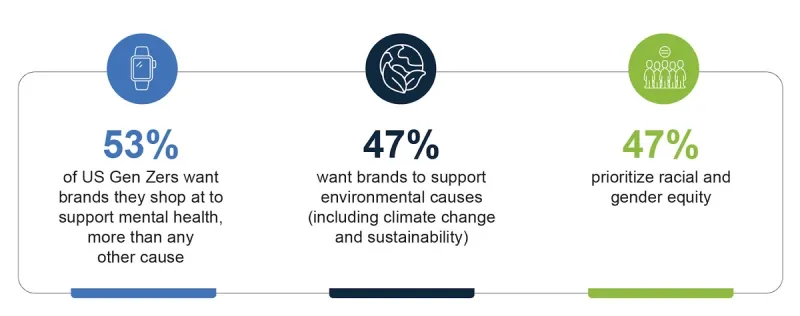
Gen Z also cares about LGBTQ+ rights and political activism. However, their values are often balanced against economic realities. As Gen Z panelist Clay Lute noted at a CommerceNext event, "We have to care, because we're the ones that are going to be here for the next 70 or so years. We're going to reap the benefits—and possible consequences—[of our actions now]. But when it comes to a budget … we don't have the money that some of the other generations have."
This balance is evident in their approach to sustainability and fashion. While 61% of Gen Z shoppers say they look for secondhand items before buying new, according to thredUP's Impact Report, they're also budget-conscious consumers.
Where does Gen Z spend time online?
Gen Z has fully embraced the integration of media and technology. They engage with multiple platforms simultaneously, making the content more important than the specific platform. Key online activities for Gen Z include:
- Streaming video: 94% of Gen Z will stream video in 2023, with YouTube and Netflix as top choices.
- Gaming: Gen Z shows higher engagement rates in gaming compared to previous generations.
- Social media: Platforms like Instagram, TikTok, and YouTube are central to Gen Z's online experience.
- Podcasts: This medium is gaining popularity among Gen Zers.
However, Gen Z's attention span for ads is notably short. According to a study by Yahoo and OMD Worldwide, "It takes just 1.3 seconds for Gen Z to lose active attention for ads—less time than any other age group."
What's the role of social media in Gen Z's lives?
Social media is integral to Gen Z's daily life, serving multiple functions:
- Communication: Instagram is the top choice for direct messaging among Gen Z users.
- Content consumption: TikTok is preferred for short-form video content, while YouTube leads in long-form videos and live streaming.
- Product discovery: Social media plays a crucial role in discovering new products, especially in categories like beauty, clothing, and health and personal care.
- Brand interaction: Gen Z expects authenticity from brands on social media.
As Megan Brophy, VP of marketing at Abercrombie & Fitch, noted, "Gen Z is definitely very direct. They're very transparent. They want realness. They want authenticity."
How do Gen Z consumers discover and buy products?
Gen Z's path to purchase is multifaceted:
- Social media discovery: TikTok and Instagram are favorite platforms for shopping discovery.
- Influencer impact: Gen Z engages with influencer content to find new products and brands.
- In-store experiences: Despite digital influence, Gen Z still makes many purchases in physical stores.
- Brand websites: Gen Z is more likely than older shoppers to discover products directly on brand websites.
- Cautious decision-making: They are less likely to make impulse purchases compared to older generations.
In the financial sector, Gen Z is shaping new trends:
- By 2027, 97.0% of Gen Zers will be mobile banking users, the highest across all generations.
- Gen Z leads in adopting new payment technologies, with 84.5% having made a payment using their phone in 2021.
- They're also ahead in Buy Now, Pay Later (BNPL) adoption, with 46.7% expected to be active users in 2023.
Understanding these preferences and behaviors is crucial for marketers aiming to effectively engage with Gen Z consumers.
Brands Gen Z loves
Gen Z, known for their discerning tastes and value-driven purchasing decisions, has shown particular interest in several brands across various sectors. Here are five brands that have caught Gen Z's attention in 2024, according to the Ad Age-Harris Poll Gen Z brand tracker:
1. Hermès

Surprisingly, this luxury brand tops the list for Gen Z. The surge in demand for second-hand luxury goods has boosted Hermès' image among younger consumers. According to The RealReal's 2022 Luxury Resale Report, "handbag demand among Gen Zers is up by 136% since 2019." The iconic Hermès Birkin bag, in particular, has the highest resale value, with demand for even "fair condition" items up 130%.
2. Cartier

Another luxury brand making waves with Gen Z is Cartier, ranking ninth on the list. Cartier's popularity is driven by its strong presence in the secondary market, especially for watches. The brand has also successfully engaged with younger audiences through partnerships with international celebrities, including K-pop star Jisoo from Blackpink.
3. Peppa Pig

This children's cartoon character has unexpectedly captured Gen Z's attention, ranking second on the list. Peppa Pig's popularity surge can be attributed to its feature in Paramount+'s Super Bowl commercial and creative marketing efforts, such as releasing a Peppa Pig cover of Katy Perry's "Roar."
4. Coinbase

The cryptocurrency exchange platform has piqued Gen Z's interest, likely due to the growing popularity of crypto exchange-traded funds (ETFs). Coinbase's stock price has risen in recent months, reflecting increased interest in cryptocurrency investments among younger generations.
5. ChatGPT

OpenAI's ChatGPT has become an indispensable tool for many Gen Z students and professionals. Its constant presence in the news, along with new feature releases like the audio product that recreates human voices, has kept ChatGPT at the forefront of Gen Z's attention.
These brands demonstrate the diverse interests of Gen Z, spanning from luxury goods and cryptocurrencies to childhood nostalgia and cutting-edge AI technology. Their success with this demographic highlights the importance of authenticity, innovation, and adaptability in capturing Gen Z's attention in today's fast-paced market.
Wrapping up
Generation Z represents a generation of transformation — one that blends idealism with practicality, digital fluency with authenticity. Their influence spans industries and will only grow stronger as they enter leadership roles and increase their purchasing power.
For marketers and brands, the key to reaching Gen Z lies in empathy, transparency, and creative agility. Understanding their values through audience research, anticipating marketing trends, and building authentic creative campaigns will ensure meaningful, lasting engagement with this powerful generation.

Ready to transform your marketing?
Create on-brand content, visuals, and campaigns in minutes with MorningAI.
Book a DemoFree trial available.
Related posts
 Trends & Insights
 A Dirty Side of Manufacturer and Retailer Relationships
Smucker's vs. Trader Joe's: The Private Label War Explained

 Trends & Insights
 AI is Transforming the Way CPG Brands Market Their Products
AI is revolutionizing how CPG brands market their products, from creating new product concepts to automating product descriptions and photography. This article explores how AI-powered tools help brands streamline processes, produce high-quality visuals, and generate personalized content at scale.

 Trends & Insights
 Revolutionize Your Brand with User Personas
User personas are detailed, semi-fictional representations of ideal customers, based on real data and research. They help businesses understand and empathize with their audience, guiding product development, marketing strategies, and customer service efforts. By tailoring messages and offerings to specific customer needs, user personas lead to more effective marketing, higher engagement, and improved customer satisfaction. Regularly updated and well-researched personas ensure businesses stay relevant and customer-focused, benefiting companies of all sizes. Learn how user personas can transform your customer engagement and drive success.